
Is Esthetician School Hard? What Future Students Should Know
Wondering whether esthetician school is hard is completely normal. Starting a new education path can feel exciting, but it can also bring up a lot of questions, especially if you are changing careers, returning to school after time away, balancing work or family, or simply unsure what esthetics training actually involves. It makes sense to want an honest answer before you commit.
Esthetician school can be challenging, but it is also very achievable with the right support, consistent practice, and a genuine interest in skincare. Students are not expected to know everything before they begin. School is where they learn the science, techniques, safety practices, and client care skills needed to grow with confidence.
In this guide, we will walk through what can make esthetician school feel difficult, what students actually learn, how standard and advanced esthetics training compare, and how Spectrum Advanced Aesthetics helps students feel supported as they prepare for a future in skincare.
Table of Contents
- Is It Hard To Become an Esthetician?
- What Makes Esthetician School Feel Challenging?
- Is Advanced Esthetics School Harder Than Standard Esthetics?
- What Do You Actually Learn in Esthetician School?
- FAQs About Esthetician School
- How the Right School Can Make Your Aesthetics Education Feel Less Overwhelming
- Start Your Education With Support From Spectrum Advanced Aesthetics
Is It Hard To Become an Esthetician?
Becoming an esthetician takes commitment, but it does not have to feel impossible. Esthetician school is not something students can simply coast through, because it requires:
- Studying
- Showing up consistently
- Practicing hands-on skills
- Learning how to work safely with clients
- And more
However, it is also designed to teach beginners step by step. Students are not expected to walk in already knowing skin science, product ingredients, or treatment techniques.
With curiosity, patience, and the right support, esthetician school can feel challenging in a good way: the kind of challenge that helps students grow into confident skincare professionals.
What Makes Esthetician School Feel Challenging?
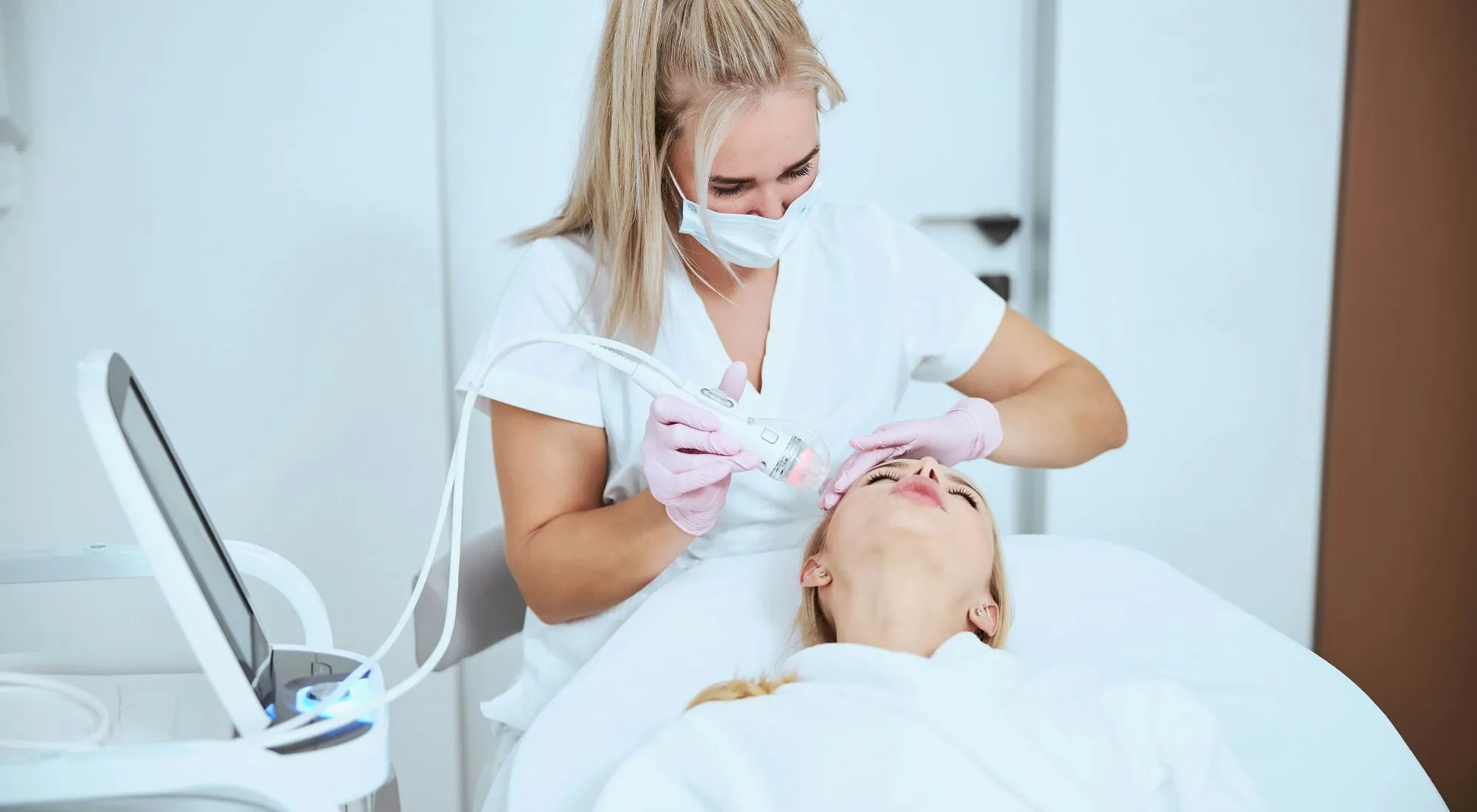
Esthetician school can feel challenging because students are learning several concepts and skills at once:
- Skin science
- Sanitation
- Oregon laws, rules and regulations
- Product knowledge
- Client communication
- Treatment techniques
- Professional standards
- Time management
That may sound like a lot, but students come to Spectrum Advanced Aesthetics to learn these skills one step at a time. The goal is not to be perfect on day one. The goal is to build confidence, develop safe habits, and become comfortable working with real clients.
If you are curious about what that support looks like, scheduling a tour with Spectrum Advanced Aesthetics can help you understand the student experience before you enroll.
Learning the Science Behind Skin
Esthetics is about much more than beauty trends, popular products, or social media skincare routines. In school, students learn:
- Skin functions
- How to recognize different skin types
- Certain conditions that may affect treatment choices
- Product ingredients
- Sanitation practices
- Treatment theory
- Importance of protecting the skin barrier
This science-based foundation helps future estheticians make safer, more thoughtful decisions for clients. While these topics may feel new at first, they become easier to understand when students connect classroom learning to hands-on practice and real examples.
Practicing Hands-On Techniques
Hands-on training is one of the most exciting parts of esthetician school, but it can also feel intimidating in the beginning. Students may practice:
- Facials
- Skin analysis
- Extractions
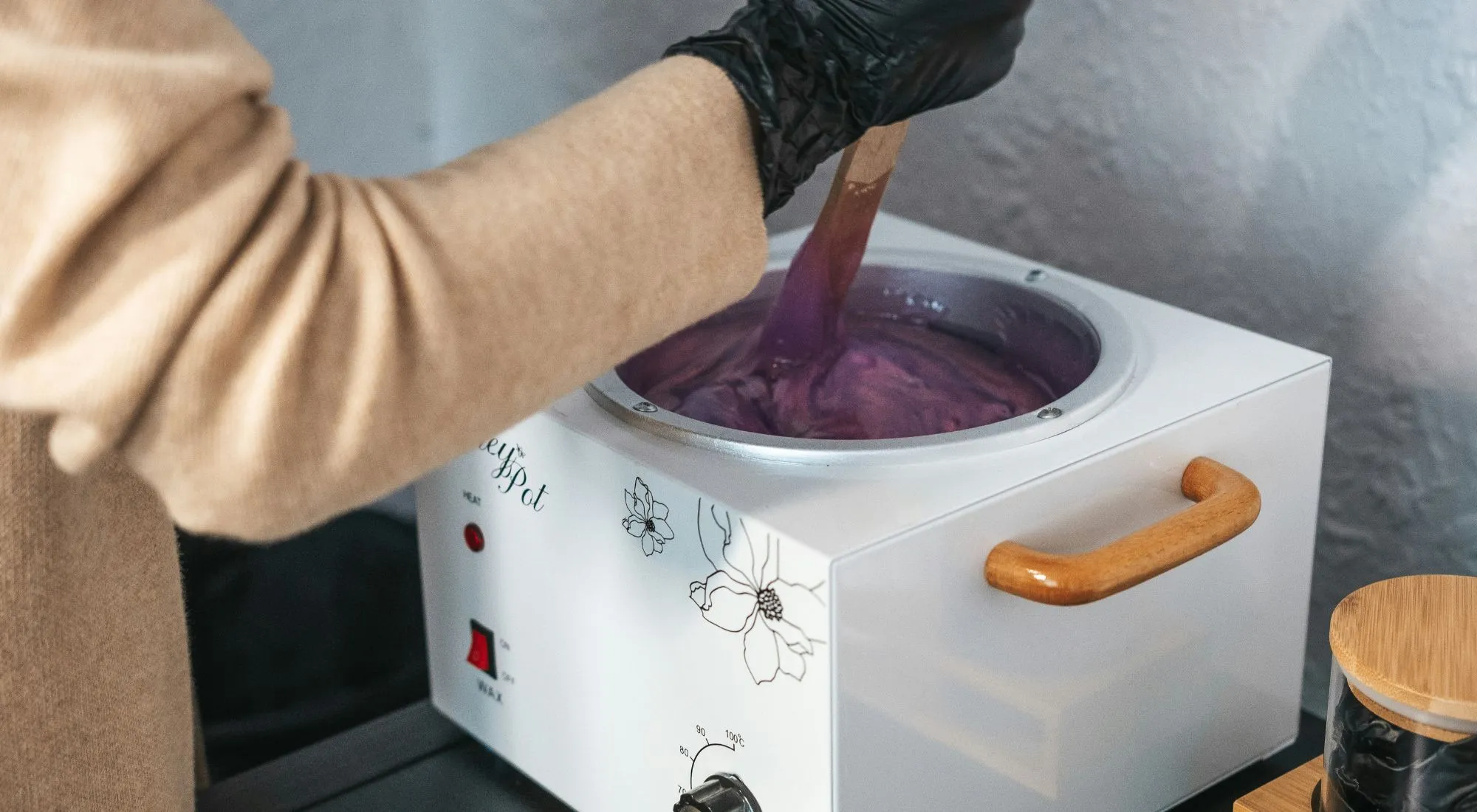
- Hair removal
- Product application
- Makeup application
- Other standard aesthetic techniques
It is completely normal to feel nervous the first time you perform a service. Confidence comes from repetition, feedback, and practice.
At Spectrum Advanced Aesthetics, students learn in an environment where questions are encouraged and mistakes are treated as part of the learning process. Over time, techniques begin to feel more natural and professional.
Building Confidence With Clients
Esthetician school also teaches students how to work with people, not just skin. Future estheticians learn how to:
- Greet clients
- Ask helpful questions
- Explain services
- Provide aftercare instructions
- Make thoughtful product recommendations
- Create a calm, respectful experience so clients feel comfortable and cared for
This can be especially important for students who are shy or nervous about speaking with new people. Like a hands-on technique, client communication improves with practice. The more students interact with clients in a supervised setting, the more confident and professional they become.
Managing Attendance, Hours, and Study Time
For many students, the hardest part of esthetician school is not the material itself. It is managing the schedule. Esthetics programs require students to:
- Attend class
- Complete required hours
- Study outside of school
- Stay organized
That means it is important to think realistically about work, transportation, family responsibilities, and energy level before choosing a program.
Students who plan ahead often feel more prepared and less overwhelmed. Creating a routine, reviewing notes regularly, and asking for help early can make a big difference in staying on track.
Is Advanced Esthetics School Harder Than Standard Esthetics?
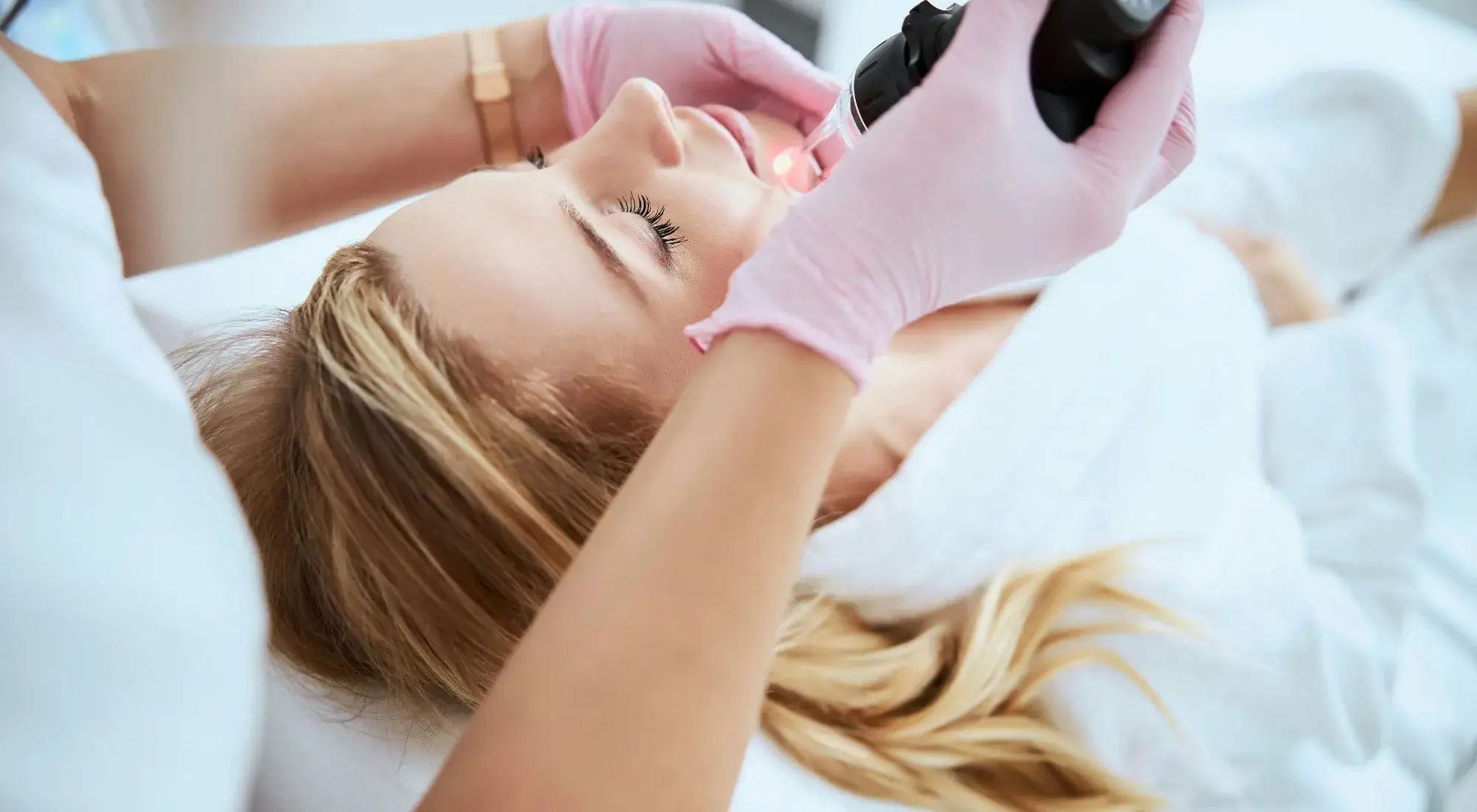
Advanced esthetics can feel more technical than standard esthetics because it involves specialized treatment knowledge, equipment, safety protocols, and client selection.
In Oregon, an esthetician with the training to perform certain advanced services is legally called a Certified Advanced Esthetician. This is different from standard esthetics training, which focuses more on foundational skincare services and licensing preparation.
Advanced aesthetics may involve learning about:
- Energy-based devices
- Treatment settings
- More detailed safety considerations
Spectrum Advanced Aesthetics helps students train with advanced, commercial-grade equipment and current technology so they can build confidence in a real-world learning environment. Give our team a call so we can discuss your program options and find the one that best fits your current circumstances and future goals.
What Do You Actually Learn in Esthetician School?
Esthetician school focuses on:
- Skin
- Client care
- Safety
- Professional development
- Oregon State rules and regulations
These are broad categories, and each one includes many smaller skills and requirements students develop throughout the program. The purpose is not to overwhelm students, but to help them build a complete foundation for safe and professional practice.
Theory, Safety, and Professional Standards
Classroom learning is an important part of becoming an esthetician because students need to understand why treatments are performed a certain way. Although hands-on service may feel more exciting than learning theory, these concepts are essential:
- Sanitation
- Infection control
- Contraindications
- Skin conditions
- State laws and requirements
These lessons help protect clients, support safe decision-making, and prepare students for licensing requirements. Professional standards also teach students how to act responsibly in treatment rooms, communicate clearly, and maintain trust. Strong theory gives students the foundation they need before they begin working more independently.
Practical Training and Supervised Services
The practical side of esthetician school gives students the chance to turn classroom knowledge into real skills. In this part of their training, students:
- Watch demonstrations
- Practice techniques
- Receive instructor feedback
- Improve through repetition
This is where many students begin to see their confidence grow. A strong school does not expect students to perform perfectly right away. Instead, instructors guide students through the learning process and help them understand how to improve.
Supervised services also prepare students for real client interactions, including:
- Timing
- Setup
- Sanitation
- Treatment flow
- Aftercare conversations
FAQs About Esthetician School
How the Right School Can Make Your Aesthetics Education Feel Less Overwhelming
The school you choose can make a major difference in how esthetician school feels. A strong esthetics school should offer:
- Experienced instructors
- Supportive culture
- Quality facilities
- Clear expectations
- Hands-on training
- Continuing education opportunities
- Equipment that reflects the professional world
Spectrum Advanced Aesthetics is a premium aesthetics school in Portland that focuses on helping students feel supported as they learn. With educators who have current industry experience, a strong sense of community, and preparation for licensing, students can feel less alone and more confident throughout their education.
Esthetician School Is Worth It Even if It Feels Challenging!
Esthetician school can be worth it for students who want a hands-on, people-focused career in skincare. The work requires practice and responsibility, but it can also be:
- Creative
- Flexible
- Deeply rewarding
Depending on licensing, training, and career goals, estheticians may work in:
- Spas
- Skincare clinics
- Medspa environments
- Product sales
- Education
- Even their own business
For students who love skin, wellness, and helping others feel confident, the challenge of school can become the foundation for a meaningful career path.
Start Your Education With Support From Spectrum Advanced Aesthetics
You do not have to figure out an esthetician school on your own. Spectrum Advanced Aesthetics helps future students understand their options before they enroll, so they can feel more confident about taking the next step.
When you contact Spectrum Advanced Aesthetics, you can connect with an admissions advocate, schedule a tour, ask questions about program schedules, discuss financing and payment plan options, and talk through your long-term career goals.
Spectrum Advanced Aesthetics offers a premium esthetics education experience in Portland with experienced instructors, advanced equipment, supportive resources, and a strong focus on helping students feel prepared for licensing and professional practice. Students also learn in a community that values confidence, inclusion, and real-world client care.
If esthetician school feels intimidating right now, the right environment can make it feel much more approachable. Spectrum Advanced Aesthetics is here to help you start your education with clarity, support, and excitement for your future in skincare.

.svg)
.svg)