
Dyschromia Reduction: Learn Treatment Options for Clearer, Even-Toned Skin
Facials, waxing, and makeup application are the main tasks you find yourself performing day in and day out as a basic esthetician. You love your job, but there has to be a way to make it more interesting and offer more for the satisfaction of your clients.
You can delve deeper than the superficial services when you receive training in dyschromia reduction. Your clients will appreciate the expanded menu of options, and you’ll even attract new ones.
Spectrum Advanced Aesthetics can help you offer dyschromia reduction as one of the many services you offer as an esthetician. Learn what dyschromia is, several ways to treat it, and how dyschromia reduction can be beneficial.
Table of Contents
- What Is Dyschromia?
- What Is Dyschromia Reduction? 5 Dyschromia Treatment Methods
- Benefits of Dyschromia Reduction
- Dyschromia Reduction: FAQs
- Learn How To Perform Dyschromia Reductions and Other Aesthetic Treatments at Spectrum Advanced Aesthetics
What Is Dyschromia?
Dyschromia is a discoloration of the skin that often appears in patches, creating an uneven skin tone. This phenomenon may be present at birth or acquired later on as a result of sun exposure, the use of some medications, and healing from certain injuries. There are several different types of dyschromia, including:
- Hypopigmentation: Areas of lighter skin color, caused by a decrease in the production of melanin. These may result from an infection, an injury, or an autoimmune condition called vitiligo.
- Hyperpigmentation: Areas of darker skin color, caused by an increase in the production of melanin. This increase may be triggered by age, sun exposure, or hormonal changes. Examples include melasma and post-inflammatory hyperpigmentation (PIH).
- Mottling: Blood vasculature changes create a purplish net-like pattern on the skin. This is often a temporary result of cold exposure or of stress, but some medicines and health circumstances (such as hypothyroidism) can have a similar effect.
Dyschromia makes many individuals uncomfortable with the appearance of their skin. That’s why it’s such an important service for an esthetician to learn to perform. Spectrum Advanced Aesthetics’ Advanced Esthetics program includes training in dyschromia reduction, so you won’t have to turn away anyone who visits you in need of the procedure.
Signs and Symptoms of Dyschromia
Dyschromia manifests as single or multiple light or dark spots or patches on the skin, especially on areas that receive sun exposure, such as the neck, face, forearms, backs of the hands, and sometimes the torso. Though generally only detectable by sight, discolored areas may itch.
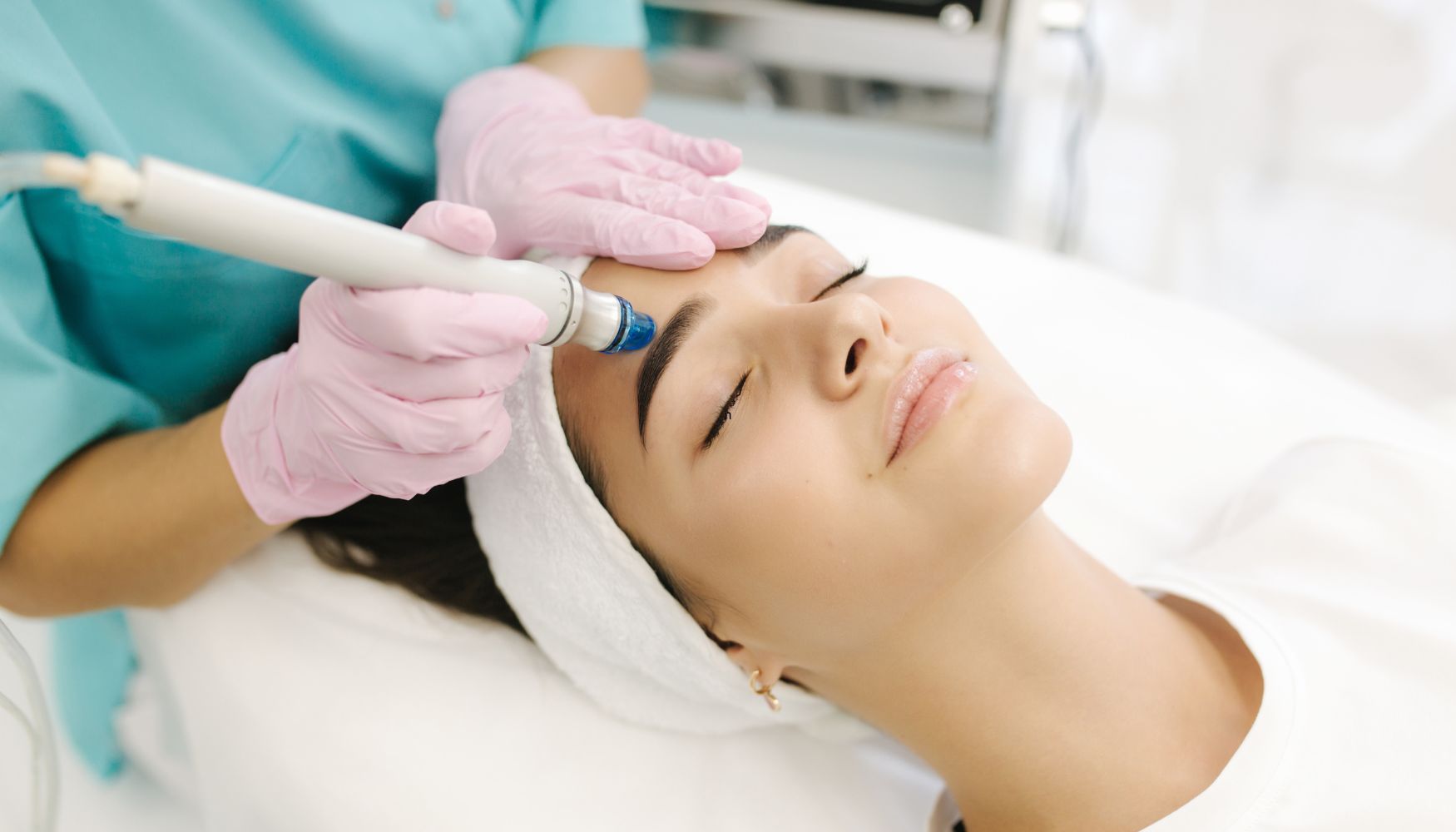
What Is Dyschromia Reduction? 5 Dyschromia Treatment Methods
For people living with dyschromia, finding the right caregiver and skincare products can be a challenge. You can play such an important role in improving the lives of these clients. Not only can you recommend the safest, most effective products for UV protection, you can also provide information about triggers and risk factors that help clients understand their condition better.
In addition, there are various cosmetic and medical treatments designed to diminish skin discoloration, and you can become certified to provide these, too. Call Spectrum Advanced Aesthetics today to discuss how you can learn the different methods that can be used to reduce dyschromia.
#1: Intense Pulsed Light (IPL)
One way to make the skin look healthier and younger (via dyschromia reduction) with minimal discomfort or risk is the use of IPL to deliver light pulses deep into the skin. The pulses are tuned to emit light at the precise wavelengths that are absorbed by the melanocytes or blood vessels targeted for destruction. When these are eliminated, the skin appears less freckled, patchy, red, or sun-damaged.
An IPL procedure only takes about 20 minutes and is relatively painless. Typically, clients must receive 3–6 repeat treatments about 3–4 weeks apart before the dyschromia is satisfactorily reduced.
#2: Laser Therapy
Laser therapy functions similarly to IPL, but it is designed to handle more severe cases of dyschromia, allowing more precise work at deeper depths. For instance, it can even be used to treat vitiligo by activating rather than eliminating melanocytes.
Laser therapy may be ablative or non-ablative, meaning the top layer of skin may be removed or left undisturbed.
Recovery from laser therapy typically takes longer than IPL therapy because it targets deeper skin layers.
#3: Chemical Peels & Microdermabrasion
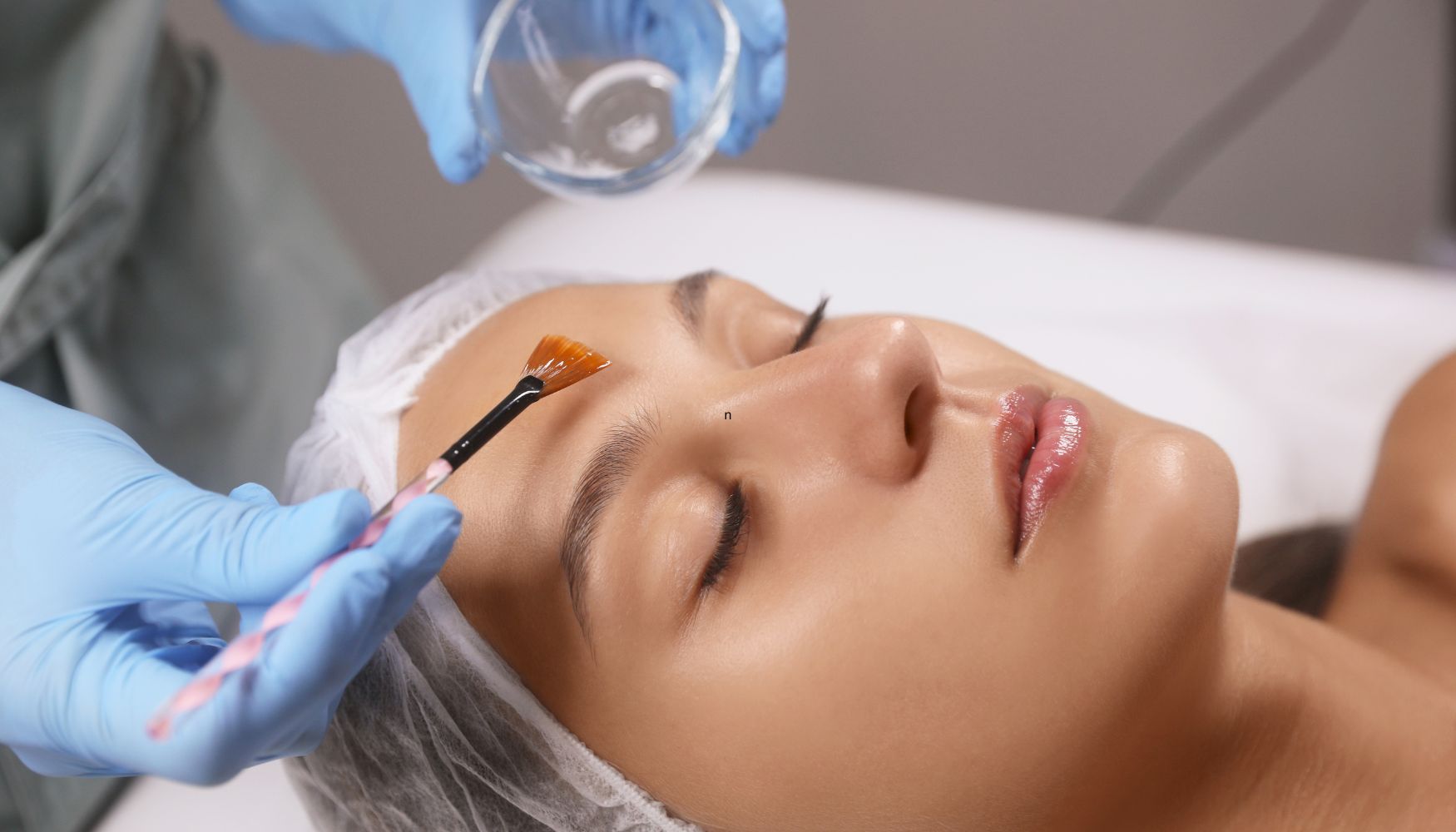
Chemical peels can improve blotchy pigmentation by inducing skin regeneration through controlled injury to the epidermis and dermis. They are classified by their depth of penetration (superficial, medium, or deep) and differ in their precise mechanism of action depending on their active ingredients. Deeper penetration is more painful, requires more extensive healing, and presents a greater risk of complications.
Administering a chemical peel involves proper preparation of the skin, followed by carefully timed application and neutralization. Clients will need 5–10 days to heal from superficial chemical peels and 10–14 days to heal from medium-depth chemical peels.
Microdermabrasion is the removal of discoloration by exfoliation of the top layer of skin, including sun damage, age spots, and mild scars. Treatment does not require anaesthetic and lasts about 30–40 minutes. Recovery times and treatment intervals vary by client. The esthetician must be able to evaluate the healing process and determine when further treatment is suitable.
As a licensed esthetician, you can provide these services to your clients. Contact Spectrum Advanced Aesthetics today to learn about other skills our programs prepare you to perform.
#4: Topical Agents
Medical-grade topical agents have more potent ingredients and pack a more effective punch against dyschromia. They work to inhibit the production of melanin and absorb damaging UV rays.
Common ingredients for topical treatments of dyschromia include:
- Hydroquinone and tretinoin, which help to lighten hyperpigmented skin
- Azelaic acid, which is comparable to hydroquinone but is considered safer
- Kojic acid, which also treats melasma and PIH, is derived from a fungus
- Tranexamic acid, which has proven effective for treating melasma, acne, PIH, and rosacea
Topical treatments generally contain one or more of these ingredients. Although generally slower and less effective than other treatments, they do improve dyschromia over time. Limiting sun exposure is critical to the efficacy of topical treatment.
#5: Combination Therapy
The best results of attempts to reduce dyschromia are achieved when multiple therapies are performed together.
For example, a series of chemical peels is often coupled with topical agents to enhance the efficacy of therapy. A 2024 study found a marked improvement in dyschromia reduction after treatment with a combination of non-ablative laser therapy and topical acne-fighting agents.
Each client’s situation should be carefully evaluated by an experienced esthetician to determine the best combination approach. Factors involved in this decision include responsiveness to other treatments, healing time, skin type, and degree of dyschromia.
Benefits of Dyschromia Reduction
When your clients receive treatment to reduce dyschromia, they’ll enjoy the following benefits:
- Even skin tone
- Improved skin clarity
- Long-term skin health improvement
- Boosted collagen
- Reduced dark spots
- And more!
Dychromia Reduction: FAQs
Does Dyschromia Go Away?
The persistence of dyschromia following treatment depends on its cause and depth in the skin. For example, hyperpigmentation from sun exposure usually responds well to treatment. Chronic conditions like PIH and melasma, however, can be stubbornly resistant to treatment. In cases like these, long-term management prioritizes photoprotection.
Can Dyschromia Be Prevented?
Some types of dyschromia (birthmarks, vitiligo, albinism, liver spots, PIH, and melasma) are not preventable because they are rooted in internal conditions beyond your control. But you can still take steps to minimize your risk of developing dyschromia by other means. Some lifestyle habits to prioritize to keep your skin even and healthy include:
- Wearing sunscreen and protective clothing daily
- Maintaining a routine for skin hygiene
- Learning the status of your hormones and working with your doctor to manage any imbalances
A healthy skin routine involves treating your skin gently with mild cleansers and lukewarm water, moisturizing dry skin, and avoiding harmful habits like smoking, popping pimples, and over-exfoliating.
How Many Dyschromia Treatments Are Needed?
The number of treatments required to effectively reduce dyschromia will depend on:
- The type of treatment: Laser treatments and IPL typically give the most drastic results after one treatment, whereas topical agents may take months to take effect.
- The severity and depth of the dyschromia: Discolorations residing deeper in the skin or covering larger areas require more treatments of greater intensity and are best addressed with combination therapy.
- The type of pigmentation: Dyschromia resulting from a chronic health condition or hormonal imbalance typically requires multiple sessions and may even require long-term maintenance therapy.
How Can I Help Maintain My Dyschromia Reduction Results?
The best way to keep an even skin tone after you’ve had dyschromia reduction is to prioritize your skin. You can do this by:
- Wearing a daily broad-spectrum sunscreen
- Using medical-grade skincare products
- Scheduling regular skin maintenance treatments to preserve pigment correction
As the person performing dyschromia reduction, it will be your responsibility to educate your client on how to prepare for treatments, what to expect during treatment, and how to care for the skin afterward. Your client’s results will depend largely on how well you communicate this information and on your continued support and monitoring of the client.

Learn How To Perform Dyschromia Reductions and Other Aesthetic Treatments at Spectrum Advanced Aesthetics
At Spectrum Advanced Aesthetics, you’ll learn from experienced, licensed, and certified instructors how to competently perform dyschromia reductions as part of our Advanced Esthetics program. We emphasize education in esthetic theory but also provide opportunities for the development of the skills and techniques necessary to become a competent esthetician who can offer a wide range of services.
Besides dyschromia reduction, our Advanced Esthetics program covers:
- Photorejuvenation
- Skin rejuvenation
- Cellulite reduction
- Tattoo removal
- Body contouring
- Microneedling
- Hydrafacials
- And more
If you don’t think these advanced procedures are what you want to provide as an esthetician, consider our Standard Esthetics program, which covers entry-level procedures, or our Nutrition Certified Esthetician program, which trains students in guiding clients to improve skin health by means of nutrition.
Whichever program you choose, you’ll appreciate our state-of-the-art technological equipment, small class sizes, expert instructors, and multiple virtual and on-site workshop opportunities.
Call Spectrum Advanced Aesthetics today to speak with an admissions representative who can help you learn more about our programs and become an experienced, well-rounded esthetician.

.svg)
.svg)