
How Technology Is Changing Aesthetics and Why Now Is the Best Time To Be an Aesthetician
Walk into almost any advanced skin studio today, and you’ll notice something has shifted:
- The conversations between estheticians and clients sound different.
- The tools on the treatment table look different.
- The career paths for trained professionals look nothing like they did a decade ago.
What drives it all is bigger than a trend cycle.
Technology has quietly become the backbone of modern aesthetics. It’s reshaping what clients expect, what skills employers are hiring for, and what a well-trained esthetician can deliver. If you’re exploring this field for the first time, are currently in school, or a working pro thinking about what’s next, understanding that shift is not just interesting, it is essential.
This article breaks down how technology is changing aesthetics, what’s changing, why it matters, and how the right education positions you to thrive in it.
Table of Contents
- How Technology Is Changing Aesthetics: Upgrades of Modern Treatments
- 3 Ways Technology Is Changing Aesthetics
- How Tech Is Raising the Bar for Estheticians
- Train on the Tools Shaping the Aesthetics Industry at Spectrum Advanced Aesthetics
How Technology Is Changing Aesthetics: Upgrades of Modern Treatments
Ten to fifteen years ago, a typical aesthetics practice looked very different from what you see now. The back bar held a reliable roster of cleansers, exfoliants, and masks. A good facial meant clean hands, quality products, and the kind of personal touch that kept clients coming back.
That foundation still matters today, but the room it operates in looks completely different.
A modern treatment appointment now starts with a consultation using a digital skin scan that assesses skin condition before a single product is applied. Non-invasive, energy-based devices deliver energy several millimeters below the skin's surface to target inflammation or stimulate cellular repair. Retail shelves carry formulas built with cosmeceutical science that no one would have believed fifteen years ago.
The shift is not just cosmetic. The entire logic of how results are achieved has changed. Treatments are more targeted. Outcomes are more measurable. The esthetician's role has expanded from caretaker to clinically informed practitioner. The professionals thriving in this environment are leaning into the learning curve rather than waiting for it to pass.

3 Ways Technology Is Changing Aesthetics
#1: From Basic Facials to High-Tech Protocols
The treatment menu available to a licensed esthetician has expanded exponentially in the last decade. Energy-based devices, advanced microneedling platforms, and LED therapy have moved from niche to expected in many markets.
Client expectations and knowledge have shifted right alongside technology. Clients once came in for a hydrating facial; now they’re asking whether you offer radiofrequency (RF) microneedling, what wavelengths your LED panel uses, or how your approach to barrier repair compares to what they read in a recent skincare article.
For students, this means knowing how to perform a solid classic facial is the starting point, not the finish line. The estheticians hired into medical spas and advanced skin studios have trained on these modalities, understand the science behind the devices, and can speak to client concerns with real authority.
Today’s field genuinely rewards curiosity, and those most excited about learning new things will go furthest. Even if you’re currently a practicing esthetician, continuing education is one of the keys to success in aesthetics. Stay informed on what’s trending and get relevant, hands-on training at top-rated Spectrum Advanced Aesthetics in Portland.
Energy-Based and Non-Invasive Devices
Radiofrequency, microfocused ultrasound, and laser technologies have become staples in advanced aesthetics practices, and for good reason. These devices work by delivering controlled energy to specific layers of the skin to stimulate collagen production, improve skin laxity, and address concerns that topical products alone cannot reach.
Radiofrequency devices heat the dermis to trigger a wound-healing response without damaging the skin surface. Microfocused ultrasound targets the deeper structural layers that support the skin's overall architecture. While laser technologies, depending on the wavelength and platform, can address:
- Pigmentation
- Texture
- Vascular concerns
- And more
Clients seek these treatments because they deliver visible, measurable results. These treatments are becoming increasingly accessible outside the traditional medical setting, administered by trained estheticians, working within their scope of practice. Research supports the clinical value of these non-invasive approaches and the importance of proper training for those administering them.
Advanced Microneedling Platforms
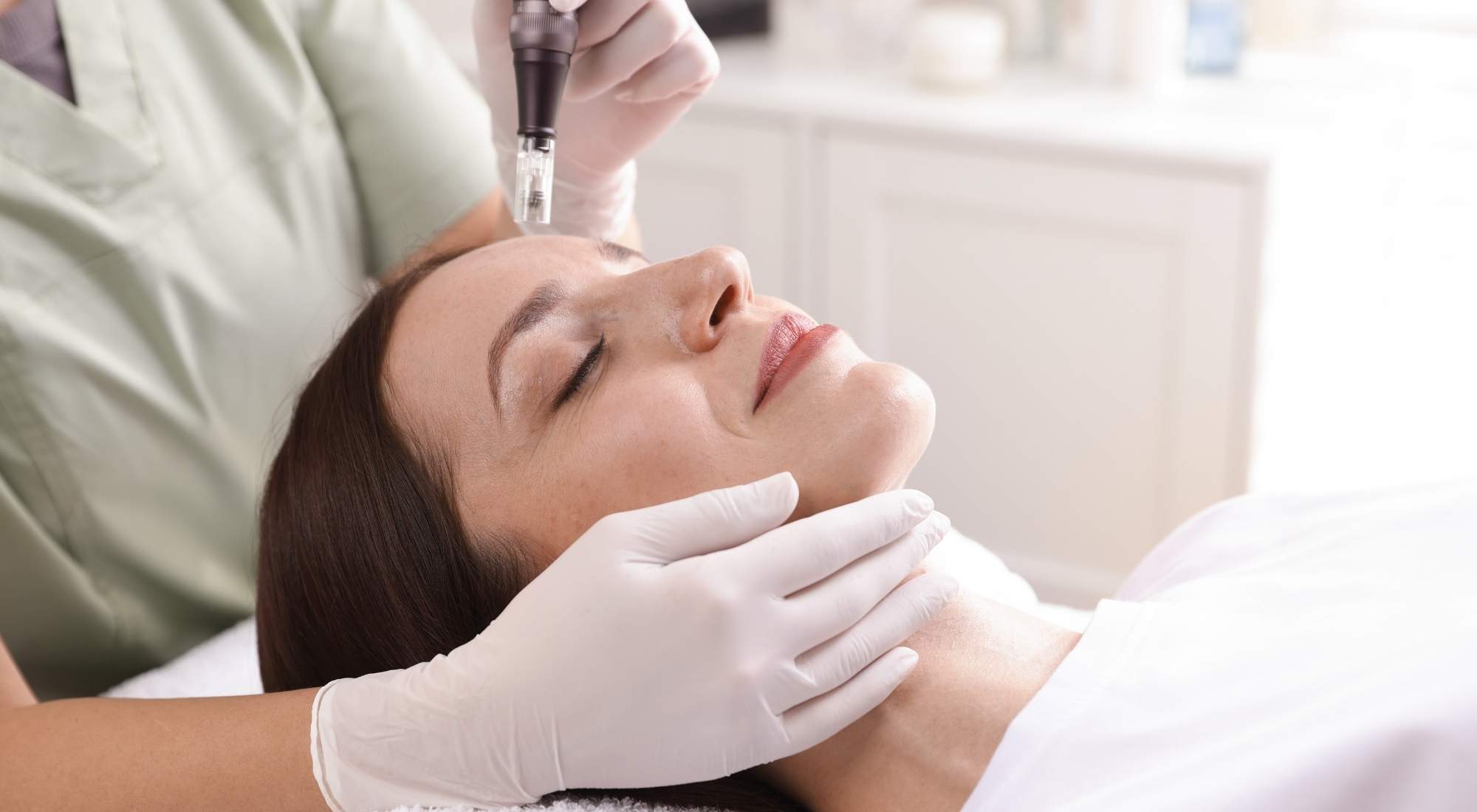
Manual microneedling, which uses a handheld tool to create controlled micro-injuries in the skin, was already well-established in aesthetic practices. Then radiofrequency microneedling arrived and changed the conversation entirely.
RF microneedling combines the collagen-stimulating effects of traditional microneedling with the thermal energy of radiofrequency delivered directly through the needle tips into the dermis. The result is a treatment with greater depth of impact, improved skin tightening outcomes, and a recovery profile that many clients find more manageable than more aggressive resurfacing options. Studies continue to prove its effectiveness for concerns like skin laxity, acne scarring, and overall texture.
Performing RF microneedling well requires a different skill set than working with manual tools. Understanding energy settings, skin typing, contraindications, and treatment protocols is not something you pick up on the fly. It is something you train on, practice with, and build fluency over time.
Cosmeceutical Science and Retail Knowledge
Products on the back bar and retail shelves have also evolved thanks to technology. Cosmeceutical products that sit at the intersection of cosmetics and pharmaceutical-grade efficacy have grown significantly in both sophistication and market presence.
Common ingredients in professional-use formulas now play a specific role in a treatment protocol. Notable ingredients that have improved and perform a specific job in the treatment process include:
- Growth factors
- Peptides
- Encapsulated retinoids
- Biofermented actives
What separates a great esthetician from a good one often comes down to product literacy. When you can explain to a client why a peptide serum is layered before a barrier-supporting moisturizer, or why an encapsulated active releases differently than a standard formula, you build trust. In turn, it also builds retail sales, which matters for both your employer and your career.
#2: Smarter Consultations as a Core Skillset
The consultation remains imperatively human. However, technology has made the skills behind a great consultation more valuable because there is more information to gather, more to explain, and a higher standard of care clients now expect. For students and working pros alike, leading a tech-informed consultation is a practical skill with real career implications.
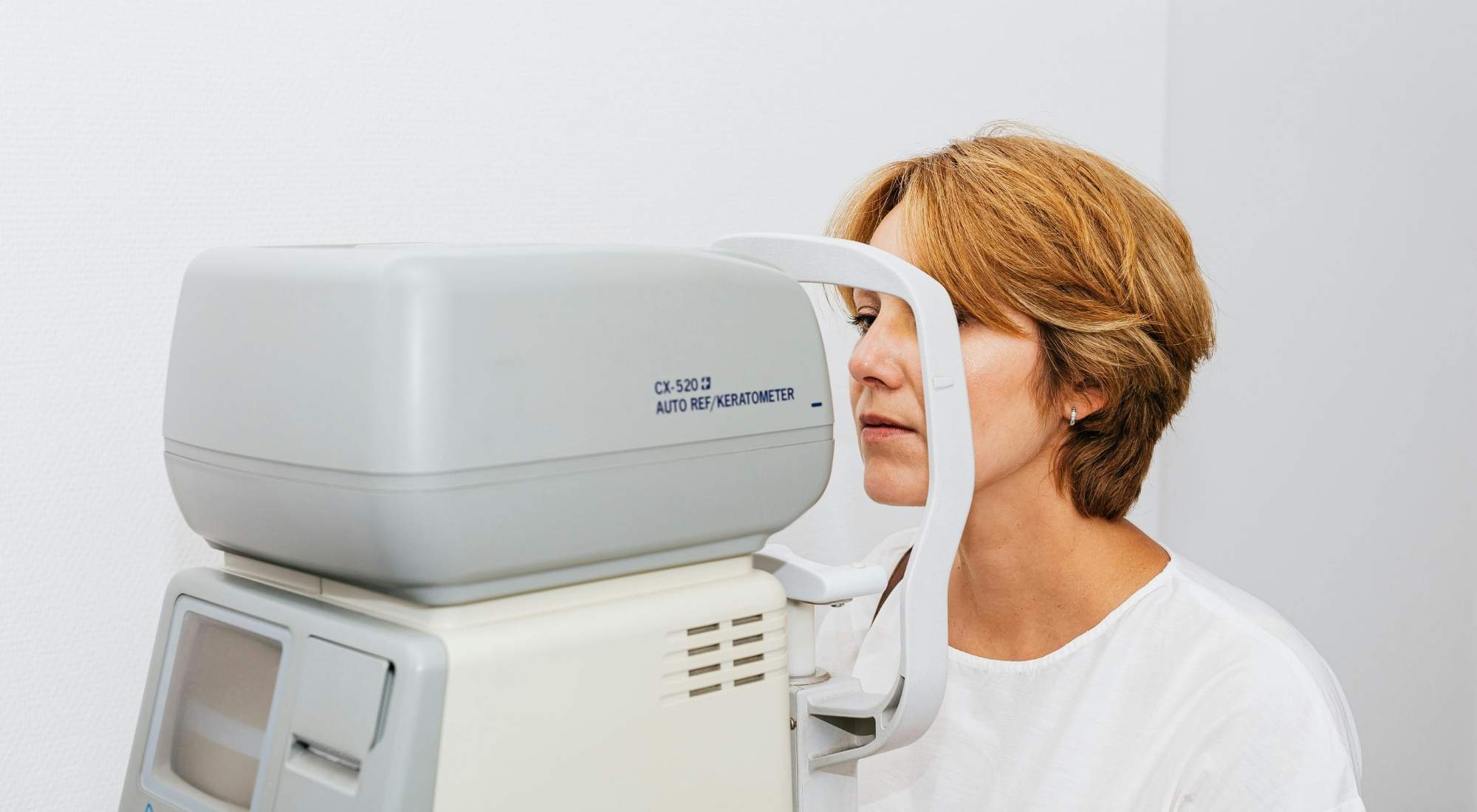
AI Skin Analysis Tools
AI-powered imaging platforms give estheticians a data-backed starting point rather than just a visual assessment. AI skin analysis tools analyze important data and generate a detailed skin profile that becomes the foundation of a personalized treatment plan based on the client’s current skin condition, including:
- Hydration levels
- Pore congestion
- Hyperpigmentation
- UV damage
For students, fluency with this technology is increasingly becoming a differentiator. A graduate who can interpret AI skin data and translate it into a confident client conversation enters the job market ahead of peers who can’t.
Virtual Try-Ons and Informed Client Conversations
Preview and virtual consultation tools help estheticians set realistic expectations before a single treatment begins. Technology now allows clients to see simulations of potential outcomes, which reduces uncertainty and builds trust. These tools shift the consultation from a one-sided presentation to a collaborative conversation where clients feel informed and invested in their own results.
#3: Safer and More Effective Treatments
Automated devices now monitor treatment parameters in real time, regulating temperature, depth, and intensity to reduce the risk of adverse outcomes. That level of built-in precision simply did not exist a decade ago.
Sterilization innovations, including single-use cartridge systems and advanced UV sterilization, have improved infection control across the board. Digital tracking tools allow practitioners to log protocols, monitor client progress, and refine their approach based on real outcome data.
Technology has equipped today's esthetician with better tools to protect clients and better data to improve outcomes.
How Tech Is Raising the Bar for Estheticians
An industry moving this fast can feel like a lot to keep up with, but the rising bar is actually great news for anyone who takes their education seriously.
Today’s tech provides greater professional credibility, better earning potential, and a clearer distinction between those who invested in quality training and those who didn’t. That distinction shows up in hiring decisions every day.
Specialization Is Where Careers Are Built
As technology expands, so does the ability for specialization.
Advanced modalities open doors to medical spas, specialty clinics, and private practices where estheticians command higher rates because they bring more to the table. A professional fluent in RF microneedling, AI consultation tools, and cosmeceutical protocols is not just an esthetician; they’re a clinical skin expert. That niche alone can create a different career trajectory entirely.
Training That Keeps Up With the Field
Not every aesthetics program is keeping pace with where the industry is going. That gap has real consequences for graduates entering a competitive job market.
When evaluating programs, ask what devices are on the floor, whether students practice current modalities hands-on, and how instructors are staying current with emerging research. At Spectrum Advanced Aesthetics, the curriculum is built around the industry as it exists today, so graduates walk out with practical knowledge of the tools they will actually encounter on the job.
Hands-On Experience That Mirrors the Real Job
Reading about radiofrequency in a textbook isn’t the same as operating a device on a real client under skilled supervision. The difference between a program that teaches theory and one that builds genuine hands-on competency is significant, and employers can tell the difference.
Real device training with real protocols in a real learning environment is what prepares a graduate to walk into a job on day one and actually perform.
Train on the Technology Shaping the Aesthetics Industry at Spectrum Advanced Aesthetics
The aesthetics industry isn’t slowing down, and the professionals who will thrive in it are the ones who train for where it is going, not just where it has been.
Spectrum Advanced Aesthetics is built for that kind of preparation. Whether you’re just starting to explore aesthetics as a career or you’re a working professional ready to expand your skill set through continued education, the training at Spectrum is designed to meet you where you are and move you forward.
The tools are here. The instruction is current. The only question is whether you are ready to make your move.

.svg)
.svg)